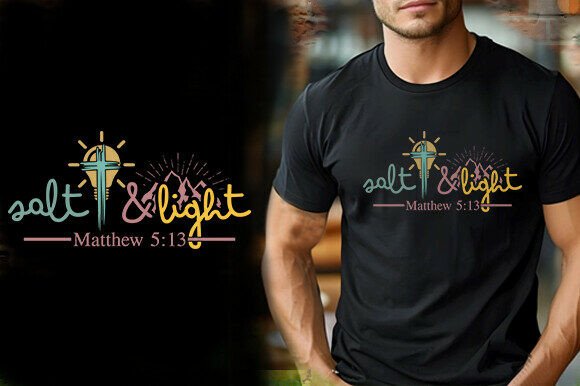
SALT and LIGHT VECTOR TSHIRT DESIGN
As an embroidery designer with years of experience, I’ve seen my fair share of digital files—some that work seamlessly in real projects, and others that fall flat under the needle. SALT and LIGHT VECTOR TSHIRT DESIGN is one that stands out for its clarity, purpose, and potential in a variety of applications. Whether you're working on custom apparel, handmade gifts, or commercial embroidery, this design offers a solid foundation for meaningful projects.
The First Impression: A Design That Speaks Faith
From the moment I opened the file, SALT and LIGHT VECTOR TSHIRT DESIGN felt intentional. The layout is clean, with a balanced composition that doesn’t overwhelm the space. The theme is clear—faith, hope, and inspiration—and it’s delivered through a minimalist vector style that feels both modern and timeless. The shape is simple enough to work on most fabrics but detailed enough to make an impact when stitched out.
This design seems to belong on a t-shirt, but it also has the versatility to translate well into other formats, like embroidered patches, tote bags, or even baby onesies. The visual personality is calm and uplifting, which makes it ideal for products meant to be worn or displayed in everyday life.
Real-World Embroidery Performance
Testing SALT and LIGHT VECTOR TSHIRT DESIGN on different materials gave me a good sense of how it performs. On standard cotton t-shirts, the design stitches cleanly with minimal puckering. The stitch density is moderate, which means it won’t feel too stiff on the fabric. For a design that includes both text and a subtle icon, the balance between detail and practicality is well-maintained.
When I tried it on a sweatshirt, the design held up well, though I noticed that the satin stitch on the lettering required a bit more stabilizer than usual. This isn’t a deal-breaker, but it’s something to keep in mind if you’re working with thinner or stretchy fabrics. The same goes for baby clothes—while the design is safe for small sizes, I’d recommend checking the scale before using it on a onesie or blanket.
On a tote bag, the design looked great, especially when paired with a darker fabric. The contrast was sharp, and the overall look felt professional. If you're planning to use this for a craft fair booth or Etsy listing, it’s a strong choice that will stand out without being overwhelming.
Where to Use It Carefully
While SALT and LIGHT VECTOR TSHIRT DESIGN is versatile, there are some situations where it may not perform as well. For example, on small hoop sizes, the design might require multiple hooping sessions, which can be time-consuming. If you're working on a project with limited space, like a cap or a patch, you may need to adjust the design or simplify parts of it.
Thin or textured fabrics can also pose a challenge. The design’s fine details might not show up as clearly on a fabric with a lot of weave or pattern. Similarly, stretchy or dark fabrics could affect the visibility of lighter thread colors. It’s always a good idea to test the design on your intended fabric before committing to a full project.
If you're planning to use this on a layered garment, like a hoodie with a contrasting inner lining, you’ll want to ensure the design doesn’t get lost or distorted. And for any project that involves frequent washing, consider using high-quality thread and proper stabilizer to maintain the integrity of the stitching.
How It Impacts Your Work
Using SALT and LIGHT VECTOR TSHIRT DESIGN can enhance the visual appeal of your finished product. Its clean lines and thoughtful layout make it easy to incorporate into a wide range of designs, from personalized gifts to commercial merchandise. As an Etsy seller or small shop owner, this design can help you create items that resonate with customers looking for meaningful, faith-based content.
The design also adds value to your handmade products. Customers often appreciate the effort and intention behind a design that speaks to their values. Whether it's a holiday gift, a wedding present, or a boutique item, SALT and LIGHT VECTOR TSHIRT DESIGN has the potential to build trust and engagement with your audience.
From a branding perspective, this design is consistent with a professional and polished aesthetic. It works well for both personal and commercial projects, making it a valuable addition to your embroidery file library. Just be sure to check the licensing terms before selling finished items or digital products.
Practical Designer Notes
Before using SALT and LIGHT VECTOR TSHIRT DESIGN in your next project, here are a few things to keep in mind:
- Test on scrap fabric first to see how the design looks and behaves on your chosen material.
- Check thread color contrast to ensure the design stands out on your selected fabric.
- Review stitch density to avoid over-stitching or under-stitching in key areas.
- Confirm hoop size to make sure the design fits within your machine’s capabilities.
- Inspect small details to ensure they’re visible and well-executed after stitching.
- Test in black and white mockups to see how the design translates without color.
- Compare light and dark fabric backgrounds to determine the best application.
- Use proper stabilizer for delicate or stretchy fabrics.
- Verify licensing before selling finished items or digital products.
By taking these steps, you can ensure that SALT and LIGHT VECTOR TSHIRT DESIGN delivers the quality and impact you expect in your embroidery projects.
Final Thoughts: A Design That Fits Many Purposes
SALT and LIGHT VECTOR TSHIRT DESIGN is a thoughtful, well-crafted option for anyone looking to add meaningful, faith-based content to their embroidery work. Whether you're creating custom apparel, personalized gifts, or commercial merchandise, this design has the potential to elevate your work and connect with your audience.
It’s not perfect for every situation, but with careful consideration and testing, it can become a reliable part of your design arsenal. For designers, crafters, and small business owners, this is a design worth exploring for its simplicity, clarity, and emotional resonance.